
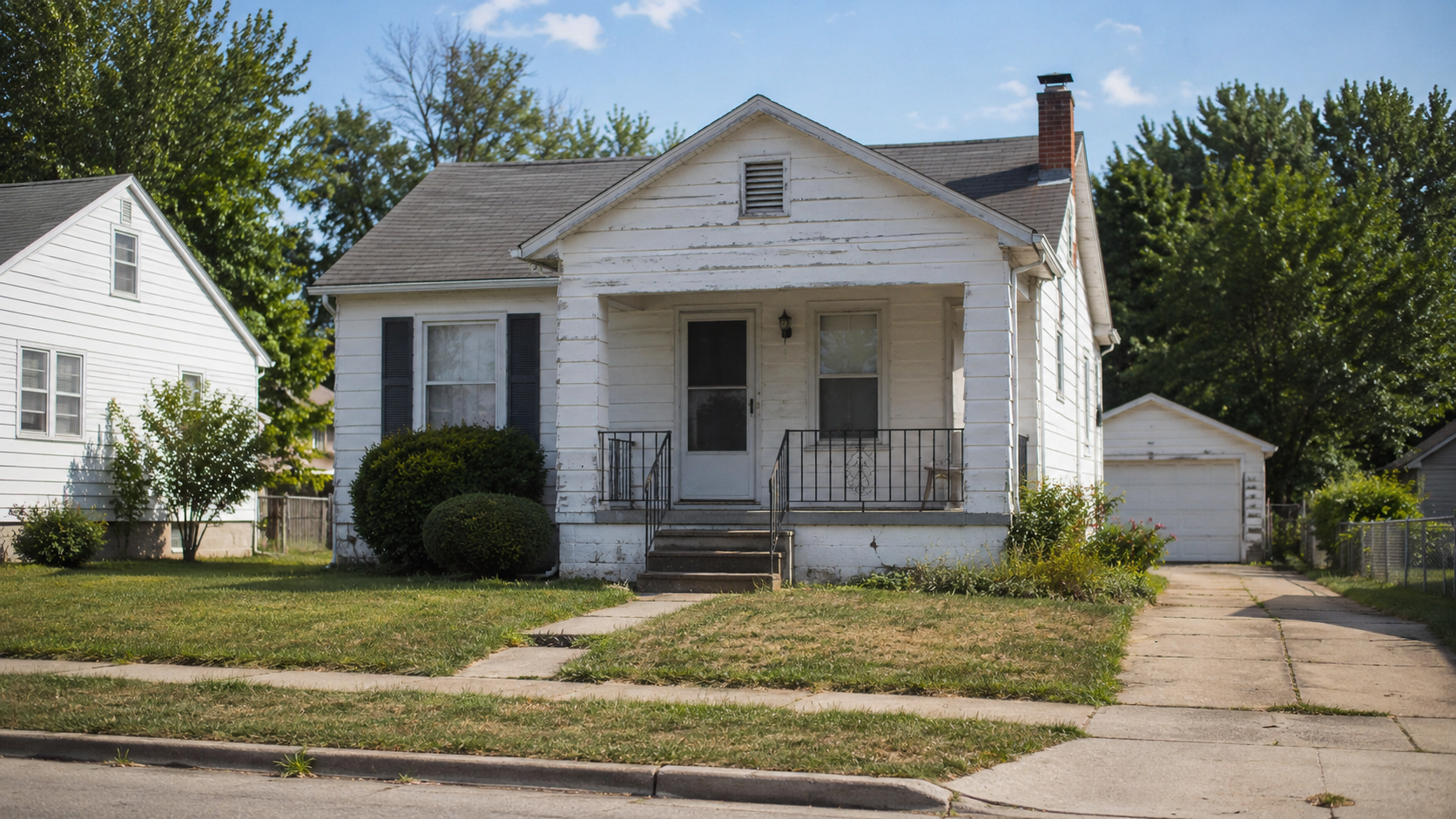
A difficult home sale can leave homeowners wondering what to do next. The good news is that there may be more than one path to consider, depending on the property, timeline, finances, and personal circumstances.
Selling a home is often described as a straightforward process: prepare the property, list it, receive an offer, and complete the closing. In reality, not every sale follows that sequence.
A home may need repairs that the owner does not want to make. A listing may have received little interest. A buyer may have withdrawn before closing. The homeowner may be dealing with a move, an inherited property, a change in household circumstances, or simply a timeline that does not match the traditional selling process.
These situations do not automatically mean that something is wrong with the house or that the homeowner has run out of choices. They may simply mean that it is time to review the available options and decide which approach is most appropriate.
Start by Understanding What Is Making the Sale Difficult
Before choosing a new direction, it may help to identify the main obstacle. For some homeowners, the issue is price. For others, it is the condition of the property, the time required for repairs, buyer financing, or the uncertainty of waiting for the right buyer.
Asking a few practical questions can make the situation easier to evaluate:
- Does the home need repairs or updates before it can attract traditional buyers?
- Has the property already been listed without receiving an acceptable offer?
- Is the homeowner working with a fixed moving or financial timeline?
- Would a faster process be more important than attempting to obtain the highest possible market price?
- Are there mortgage, title, tax, inheritance, or legal questions that require professional guidance?
The answers can help a homeowner decide whether to continue with a traditional listing, adjust the current plan, consult a professional, or explore an alternative such as requesting a cash offer.
Curious What a Cash Offer Might Look Like?
ReliableHomesUSA allows homeowners to request a no-obligation offer for consideration. Requesting information does not require you to accept an offer or choose this selling method.
Request a No-Obligation Offer Availability, offer amounts, timelines, and participation may vary by property and location.Why the Common Selling Process Can Become Frustrating
Listing a property with a real estate agent remains a common and potentially useful option. An experienced local agent may help estimate market value, recommend improvements, market the property, organize showings, and negotiate with prospective buyers.
However, the traditional process can involve several moving parts. A homeowner may need to clean, repair, stage, photograph, and repeatedly show the property. Even after an offer is accepted, the sale may depend on an inspection, appraisal, buyer financing, and other closing conditions.
None of these steps are necessarily negative. In a suitable situation, they may help a homeowner reach a broader group of buyers and potentially pursue a higher sale price. The challenge is that the process may require time, upfront effort, and a willingness to accept some uncertainty.
When a property has significant repair needs, limited buyer interest, tenant complications, inherited ownership, or a previous contract that failed, repeating the same approach may feel exhausting. This is why reviewing more than one option can be useful.
Homeowners May Have Several Paths to Consider
Depending on the situation, a homeowner might continue listing the home, change the asking price, make selected repairs, work with a different agent, rent the property, speak with the lender, consult qualified legal or tax professionals, or request an offer from a cash buyer.
These choices can have different financial, legal, tax, and practical consequences. Homeowners should carefully review the terms of any proposed transaction and seek independent professional advice when needed.

One Possible Alternative: Requesting a Cash Offer
A cash-offer route is one option some homeowners explore when they want to understand whether a more direct sale could fit their circumstances.
In a traditional financed purchase, the buyer may rely on mortgage approval, an appraisal, inspection results, and lender requirements. A cash transaction may involve fewer financing-related steps, although inspections, title review, documentation, and other conditions may still apply.
This option may be useful for an owner who places greater value on convenience, a potentially simpler process, or a more predictable timeline. However, it may not be the right choice for someone whose main goal is pursuing the highest possible sale price through broad market exposure.
Requesting a no-obligation offer can give a homeowner another piece of information to compare. The homeowner can then review the proposed amount and terms alongside other possible approaches without being required to accept.
How the Request Process Generally Works
Step 1: Share Basic Property Information
The homeowner provides general details about the property, such as its location, type, condition, and selling situation. Accurate information may help the relevant provider better understand the property.
Step 2: The Property Is Reviewed
The information may be reviewed to determine whether an offer is available. Additional questions, property records, photographs, or an in-person review may be requested, depending on the provider and the situation.
Step 3: Consider the Available Option
When an offer is available, the homeowner can review the proposed price, timeline, conditions, and closing details. The homeowner may accept it, decline it, ask questions, or continue exploring other selling methods.
See Whether an Offer May Be Available
Requesting an offer may help you compare a direct-sale option with listing the property or taking another approach.
Request a No-Obligation Offer Submitting a request does not require you to sell. Not every property or homeowner will qualify or choose this option.Possible Benefits Homeowners May Want to Compare
A direct cash-offer process may have features that some homeowners find useful. The exact process and terms can vary, so each offer should be reviewed individually.
- An additional option to compare: A homeowner may review the offer alongside an agent’s estimated listing strategy or other possible solutions.
- Potentially fewer financing-related steps: A cash buyer may not depend on traditional mortgage approval, although other conditions can still apply.
- Possible flexibility around property condition: In some cases, a buyer may consider a property in its current condition. This depends on the home and the provider.
- A potentially clearer timeline: Some direct buyers may be able to propose a closing schedule, subject to title, documentation, and transaction requirements.
- No obligation to accept: A homeowner may request information and decide that another selling approach is more suitable.
Other Options May Still Be Worth Exploring
A cash offer is not the only possible response to a difficult sale. Depending on the circumstances, one or more of the following steps may be appropriate.
Continue or Adjust a Traditional Listing
A local real estate agent may provide insight into comparable sales, pricing, buyer demand, presentation, and marketing. If a home has already been listed, the owner might discuss whether the price, photographs, property description, showing process, or repair strategy should be adjusted.
Speak With the Mortgage Lender or Servicer
When mortgage payments or a loan-related deadline are part of the concern, contacting the lender or loan servicer may help the homeowner understand the available account-specific options. Available programs and requirements vary, and homeowners should not assume that a particular solution will be offered.
Consult Qualified Professionals
Properties involving inheritance, liens, taxes, divorce, bankruptcy, tenant rights, disputed ownership, probate, or possible foreclosure can involve complex legal and financial questions. A qualified attorney, tax professional, housing counselor, or other appropriate adviser may help explain how the rules apply to the homeowner’s individual circumstances.
Consider Whether Keeping the Property Is Practical
Some owners consider renting the home, delaying the sale, or completing selected repairs before listing again. These approaches can involve their own expenses, responsibilities, risks, and local requirements, so they should be evaluated carefully.
Offer and Availability Information
ReliableHomesUSA connects interested homeowners with an opportunity to request a no-obligation cash offer. Availability may depend on the property’s location, condition, ownership details, market factors, and the criteria of participating property buyers or service providers.
Completing the request form does not guarantee that an offer will be made. It also does not guarantee a specific price, closing date, acceptance, or transaction outcome.
Before agreeing to a sale, homeowners should review the written offer carefully, confirm which costs or conditions apply, understand the proposed closing process, and ask questions about anything that is unclear.
Traditional Listing vs. Direct-Offer Exploration
| Consideration | Traditional Listing Approach | Direct-Offer Approach |
|---|---|---|
| Buyer exposure | The home may be marketed to a broader group of potential buyers. | The property may be reviewed by a specific buyer or network of participating buyers. |
| Property preparation | Cleaning, repairs, staging, photographs, and showings may be recommended. | Some properties may be considered in their current condition, depending on the buyer. |
| Timeline | The timing depends on market demand, negotiations, financing, inspections, and closing requirements. | A potential timeline may be proposed after the property and transaction details are reviewed. |
| Sale price considerations | Broad market exposure may help pursue a competitive price, but results are not guaranteed. | The convenience or simplicity of a direct transaction may be reflected in the offer amount. |
| Commitment | Listing agreements and other terms depend on the agent and contract. | Requesting an initial offer is described as no-obligation, but any later agreement should be reviewed carefully. |
Frequently Asked Questions
Does requesting an offer mean I have agreed to sell?
No. Requesting a no-obligation offer is an information-gathering step. You should not be required to accept an offer simply because you requested one. Review all later documents carefully before signing.
Will every homeowner receive an offer?
Not necessarily. Availability and eligibility may vary based on the property, location, ownership details, market conditions, and participating buyer criteria.
Will the offer equal the home’s full market value?
There is no guarantee that a direct offer will match an estimated retail or market value. Offer amounts may reflect property condition, repair needs, transaction costs, risk, local demand, and the buyer’s business requirements. Homeowners may wish to compare the offer with independent market information.
Can a home be considered if it needs repairs?
In some cases, a buyer may consider a property in its current condition. This depends on the property’s details and the buyer’s criteria. Homeowners should disclose known material information as required and answer property questions accurately.
How quickly can a sale close?
Timelines vary. Title issues, documentation, inspections, ownership questions, liens, local requirements, and other transaction details may affect closing. No closing date should be assumed until it is confirmed in writing.
What if I am behind on payments or concerned about foreclosure?
Contact your mortgage servicer and consider speaking with a qualified housing counselor or attorney promptly. This article and the offer-request service do not provide legal advice, stop foreclosure, modify a loan, or guarantee a solution.
Should I speak with an agent before deciding?
That may be useful. A local real estate professional may help explain a traditional listing strategy and provide information about nearby sales. Homeowners can compare that information with any direct offer and their own priorities.
Final Verdict: Compare the Options Before Deciding
A difficult sale does not always have one obvious solution. Listing with an agent may be appropriate for a homeowner who has time to prepare and market the property. Speaking with a lender or qualified professional may be important when mortgage, tax, title, inheritance, or legal concerns are involved.
Requesting a cash offer may also be worth considering when a homeowner wants to explore a potentially more direct path. It provides another option to review, not a guarantee that the homeowner should accept it.
The most practical next step may be to gather reliable information, compare the potential price, timeline, conditions, and costs of each option, and then make a decision based on the homeowner’s individual situation.
Explore a No-Obligation Cash-Offer Option
Share basic information about the property to see whether an offer may be available. You can review the information before deciding whether this route is suitable for you.
Request a No-Obligation Offer No specific offer amount, timeline, eligibility, or sale outcome is guaranteed. Options may vary by property and location.